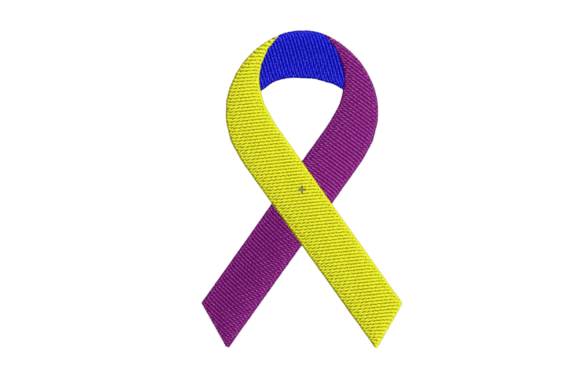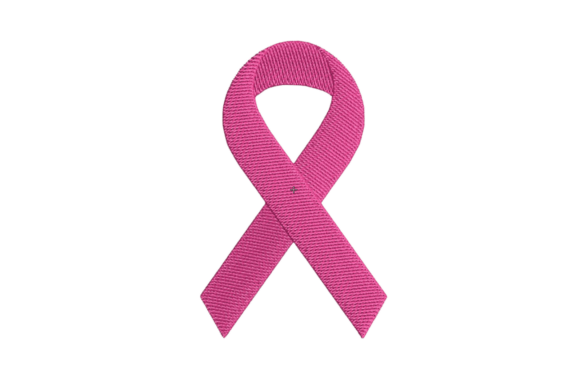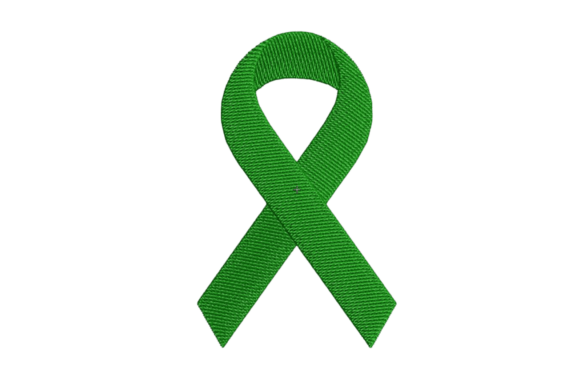
Gallbladder and Bile Ribbon Embroidery
First Impression: Quietly Bold, Purposefully Clear
As an embroidery designer who’s prepped over 200 craft fair booths—from Portland makers’ markets to Midwest holiday bazaars—I instantly recognize when a design carries quiet confidence. Gallbladder and Bile Ribbon Embroidery lands as purposefully clear, not loud or decorative for decoration’s sake. It’s not farmhouse, not whimsical, not festive—but it is modern, respectful, and emotionally grounded. The teal awareness ribbon is the anchor: instantly legible, color-coded for recognition, and scalable without losing meaning. That matters more than “cute” at a craft fair where buyers scan in under three seconds.
Where It Shines on Handmade Products
This isn’t a design that needs to shout—it earns attention by standing apart with sincerity. On a tote bag design, placed just below the handle seam (3.5"–4" wide), it reads cleanly from six feet away—ideal for shoppers browsing aisles. As apron embroidery centered above the pocket, it adds quiet professionalism to kitchen-themed booths, especially paired with neutral linen or cotton canvas. For tea towel embroidery, keep it small (2.25") in the lower corner: the ribbon’s clean lines hold up beautifully against textured terry or waffle weave, unlike script-based awareness designs that blur.
It works exceptionally well as an embroidered patch—heat-seal or sew-on—because the shape is self-contained and symmetrical. Patches let customers personalize jackets, backpacks, or medical scrubs without committing to permanent embroidery. On caps, avoid the curved front panel; instead, place it cleanly on the side gusset or back strap where stitch tension stays even. As a small pouch accent (think 5"x7" drawstring bags), it feels intentional—not an afterthought—and supports the growing demand for meaningful, compact handmade gifts.
What Makes It Craft Fair-Ready
Gallbladder and Bile Ribbon Embroidery succeeds where many awareness designs fail: it’s immediately understandable without text. No decoding needed. That’s critical when your booth has 30+ products competing for attention. It also scales elegantly—works as a 1.5" accent on a keychain fob and as a 5" focal point on a pillow cover. That flexibility means one digital embroidery file can serve multiple small shop product lines without redesigning.
Photography is another win. Teal thread pops reliably against ivory, oat, charcoal, and navy fabrics—making printable mockups versatile for Etsy listings. Unlike intricate organ illustrations or dense medical icons, this design avoids muddy shadows or pixelated edges in natural-light photos. That translates directly to higher click-through rates for Etsy seller listings and stronger social media thumbnails.
Careful-Use Notes Every Embroiderer Should Know
- Dense stitch areas: If the ribbon includes subtle gradient fills or layered satin stitches, test stitch density on your target fabric—over-stitching causes puckering on lightweight cottons.
- Tiny details: Avoid shrinking below 1.25". Fine ribbon tails or narrow loops may collapse or vanish on textured towels or thick twill caps.
- Dark fabric: Teal thread on black or deep navy can read as muted. Add a white or light gray underlay stitch—or choose a slightly brighter teal thread for contrast.
- Curved surfaces: Caps and curved market bags require reduced stitch count and simplified fill paths. Don’t force the full design onto a dome-shaped crown.
- Fabric texture: Waffle-weave tea towels and slubbed linen demand extra stabilizer—cutaway or tear-away, never basic iron-on—to prevent skipped stitches in ribbon curves.
How It Elevates Your Booth & Brand
Gallbladder and Bile Ribbon Embroidery quietly strengthens your booth display strength. When surrounded by florals, quotes, and seasonal motifs, its clean geometry creates visual breathing room—and signals intentionality. Buyers associate that clarity with craftsmanship, not mass production. It also boosts product value: a $28 embroidered tote feels like a thoughtful, cause-aligned purchase—not just decor. That emotional resonance increases giftability, repeat visits, and word-of-mouth referrals among support communities.
For commercial embroidery sellers, this design supports brand consistency across product families: same ribbon, same proportions, same thread palette—whether stitched on a pillow cover or a fabric pouch. That cohesion builds trust. And because it’s rooted in real-world health advocacy, it invites conversation—not just transaction—at your table. I’ve watched customers pause, ask questions, share stories, and buy two items instead of one. That’s engagement you can’t fake.
Practical Designer Notes Before You Stitch
- Always test the design on scrap fabric matching your final product’s weight and weave—not just muslin.
- Check thread contrast in daylight AND booth lighting. LED market tents wash out subtle tones.
- Review spacing between ribbon elements—tight gaps may merge on low-tension machines.
- Confirm hoop size compatibility with your frame setup before batching.
- Inspect stitch density in curved sections—reduce fill angle if threads pile up.
- Choose the right stabilizer: cutaway for knits, medium-weight tear-away for stable wovens, no-show mesh for sheer fabrics.
- Create at least one real mockup—not just digital. Fabric drape changes everything.
- Compare fabric colors side-by-side: teal on oat vs. cream reads differently than on stone-gray linen.
- Verify commercial licensing before selling finished products—this is non-negotiable for awareness-themed design assets.
Final Thought: Meaning Meets Market Readiness
Gallbladder and Bile Ribbon Embroidery isn’t just another machine embroidery design. It’s a rare balance: emotionally resonant yet visually restrained, advocacy-driven yet commercially agile. It fits seamlessly into a curated booth of handmade products without demanding spotlight—yet consistently draws the right kind of attention. For creative entrepreneurs building purpose-led brands, it’s not filler. It’s foundation.