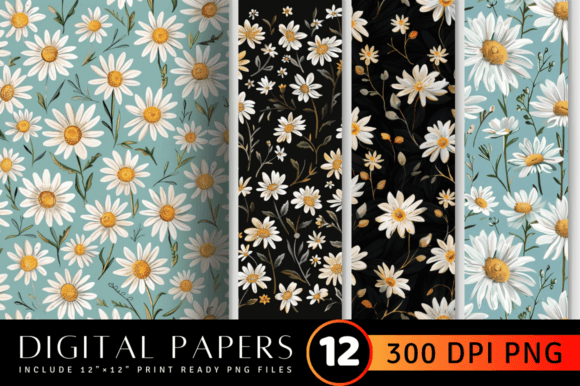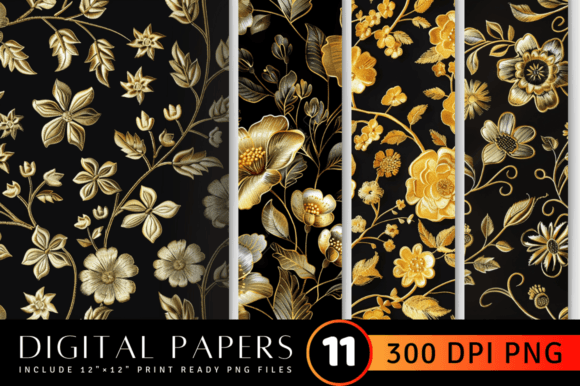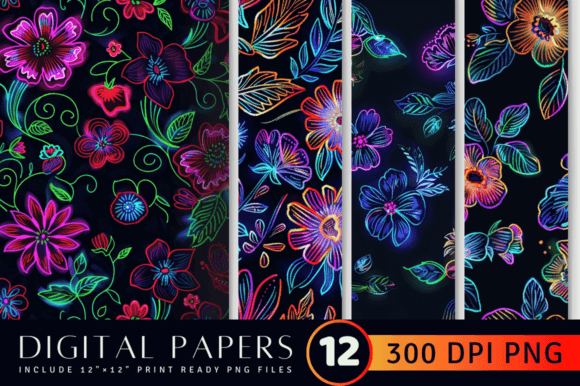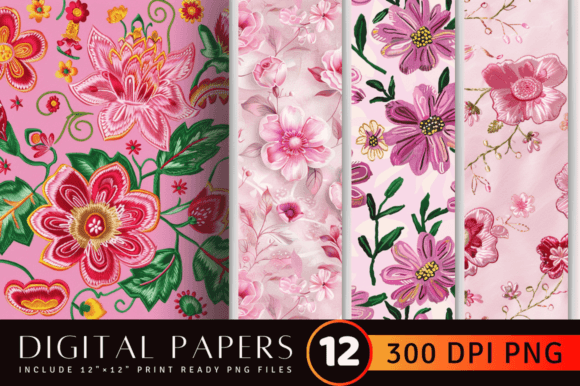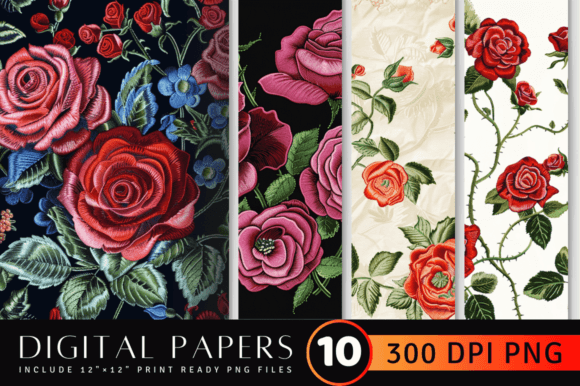
Roses Embroidery Flowers Digital Paper
A Designer’s First Stitch with Roses Embroidery Flowers Digital Paper
As an embroidery designer who’s stitched over 300 custom orders for baby keepsakes, wedding gifts, and boutique home goods, I opened Roses Embroidery Flowers Digital Paper with quiet anticipation—not just for its floral charm, but for how it would translate into real, touchable, giftable products. Right away, the design struck me as quietly elegant: soft petal curves, subtle layering, and a gentle rhythm that feels both timeless and tender. It’s not overly fussy or rigid—it breathes like hand-drawn ink, yet holds up to precise machine stitching. This isn’t a bold statement piece; it’s a whispered promise of care. Romantic without being saccharine, classic without feeling dated, and delicate enough for a newborn’s onesie—but substantial enough for a linen pillow cover.
Where This Design Truly Blossoms
Roses Embroidery Flowers Digital Paper shines brightest where emotional resonance meets thoughtful craftsmanship. For baby embroidery, it adds heirloom warmth to organic cotton blankets and muslin swaddles—especially when paired with a monogram in soft ecru or blush thread. As a wedding gift, it elevates simple linen napkins or a silk ribbon bookmark, offering couples something meaningful they’ll keep long after the bouquet fades. Nursery decor gains instant cohesion when this design appears on framed hoop art, wooden growth charts, or embroidered wall hangings. And for Etsy sellers and small shop owners? It’s a versatile anchor for listings: imagine it on a canvas tote bag beside “Handmade with Love” script—or stitched onto a chef’s apron for a bridal shower gift.
It also works beautifully for personalized towels (think guest bath sets with initials), pillow covers for cozy living rooms, and even custom blanket embroidery for graduation or milestone celebrations. Because it reads as handmade—not mass-produced—it supports your brand story as a creator who values intention over speed. Craft fair shoppers pause longer at booths where this design appears on samples; digital product sellers use it confidently in printable mockups to show customers exactly how their custom embroidery will look before purchase.
Use With Intention: Where to Pause and Plan
Like any thoughtful design, Roses Embroidery Flowers Digital Paper rewards attention to context. Its delicate lines and fine petal edges mean it performs best on stable, medium-weight fabrics—think quilting cotton, linen, twill, or tightly woven rayon blends. Avoid using it on highly textured fabric (like heavy terry cloth) or thick towels unless you’re willing to adjust stitch density and stabilizer layers accordingly. Stretchy baby clothes? Not ideal—unless you’re stitching on a flat, stabilized panel (e.g., a bodysuit pocket) and testing extensively first.
Small lettering or tiny details—like stamen or leaf veins—can blur if scaled down too far or stitched on dark fabric without high-contrast thread colors. On black or navy backgrounds, I recommend testing metallic gold, cream, or pale sage threads to preserve clarity. Curved surfaces (like mugs or rounded totes) require careful hooping and possibly repositioning—so always do a dry run. And because many customers wash embroidered items frequently—especially baby blankets and kitchen towels—confirm that your chosen thread and stabilizer combo hold up through laundering without puckering or fraying.
Why This Design Builds Trust—and Sales
In today’s handmade market, perceived value is built in layers: visual harmony, tactile authenticity, and emotional clarity. Roses Embroidery Flowers Digital Paper delivers all three. Its balanced composition photographs beautifully—no cropping needed, no awkward negative space. That means stronger product photography for Etsy sellers and Instagram feeds alike. Customers scrolling past a listing instantly recognize quality: the soft flow says “handmade,” the precision says “professional,” and the floral motif says “thoughtful.” That combination builds trust faster than any description ever could.
For gift shop owners, it’s a reliable upgrade from generic florals—something that feels curated, not copied. For wedding gift designers, it signals sophistication without exclusivity; for baby product creators, it offers gentle symbolism without cliché. Even digital embroidery file buyers appreciate how cleanly it scales across sizes, making it easy to offer tiered pricing (e.g., small for onesies, large for throws).
Practical Notes Before You Stitch
- Always test on scrap fabric—especially when switching between light/dark backgrounds or fabric types.
- Check thread color contrast early: what reads softly on screen may vanish on charcoal linen.
- Confirm hoop size compatibility before digitizing or resizing—some versions may be optimized for 4x4 or 5x7 hoops.
- Review stitch density: delicate petals can look muddy if over-stitched; lighter fills often read cleaner.
- Use proper stabilizer: tear-away works well for stable fabrics; cut-away adds security for knits or frequent-wash items.
- Compare light and dark fabric mockups side-by-side—your customer’s final choice may shift based on this.
- Check small details after stitching: petal tips, stem joins, and inner outlines should remain crisp.
- Verify commercial licensing before selling finished products—this is essential for Etsy sellers, craft fair vendors, and small business owners.
Final Thoughts for Makers and Sellers
Roses Embroidery Flowers Digital Paper isn’t just another floral graphic—it’s a quiet collaborator in your creative process. Whether you’re designing a baby embroidery set for a first-time parent, curating a wedding gift bundle, or building a cohesive line of nursery decor, this design adds grace without demanding attention. It fits naturally within the Patterns category for crafters seeking structure, and as a Graphics asset, it bridges digital flexibility with tangible warmth. For embroidery makers who believe every stitch tells a story, this one speaks softly—and stays remembered.