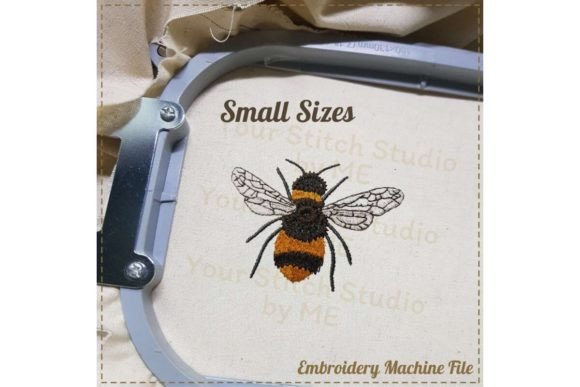
Bee Embroidery Design- Bumble Bee
A Practical Review for Small Business Branding & Merchandise
As an embroidery designer who’s developed and tested hundreds of machine embroidery designs for small businesses—from neighborhood bakeries to indie florists and pet wellness brands—I approached Bee Embroidery Design- Bumble Bee with a very specific question: Does this design translate into real-world brand equity—not just visual charm? The answer is yes—but only when applied with intention. This isn’t just a decorative bug motif; it’s a versatile, personality-rich asset for custom apparel, embroidered patches, and boutique merchandise—if you understand its strengths and boundaries.
First Impression: Friendly, Approachable, and Professionally Handcrafted
Right away, Bee Embroidery Design- Bumble Bee reads as warm, energetic, and grounded—not cartoonish or overly technical. It avoids the stiff symmetry of clip-art insects and leans into organic line work and balanced proportions. That subtle asymmetry in wing placement and gentle curve of the body gives it a handmade product feel without sacrificing polish. For a café that serves local honey, a floral studio launching seasonal gift sets, or a sustainable pet brand using natural fabrics, this design signals care, authenticity, and approachability—key pillars of modern small business merch.
Where It Shines in Real Business Use
Bee Embroidery Design- Bumble Bee excels where clarity, recognition, and tactile appeal matter most:
- Embroidered patches: Works beautifully at 2"–3" sizes—clean outlines hold up under heat-seal or sew-on application, and the bee’s compact shape minimizes fraying on edges.
- Staff uniforms & aprons: Placed on chest or sleeve, it adds warmth without overwhelming workwear—especially effective on natural fibers like cotton canvas or linen blends.
- Cap embroidery: Scales well to standard front-panel hoop sizes (e.g., 4x4 or 5x7), provided the file includes optimized underlay and reduced stitch density in wing areas.
- Tote bag design: As a side or bottom-corner accent, it reinforces brand identity without competing with larger printed graphics—ideal for farmers’ market vendors or craft fairs.
- Product packaging accents: Stitched onto fabric tags, reusable pouches, or gift wrap sleeves, it elevates perceived value and supports a cohesive handmade product story.
- Etsy branding & digital embroidery file buyers: Its versatility across file formats means customers can adapt it for hoops, multi-needle machines, or home embroidery—increasing resale potential for crafters and Etsy sellers.
Where Caution Is Needed
This design isn’t universally forgiving—and that’s okay. As a working embroidery designer, I recommend testing before bulk production in these scenarios:
- Small patch sizes under 1.5": Fine antennae or wing veining may collapse or lose definition—verify the embroidery file includes a simplified version or test stitch-out first.
- Curved surfaces like cap fronts or curved tote handles: Ensure proper digitizing allows for smooth pull compensation—look for tapered underlay and reduced jump stitches.
- Dark uniforms or textured fabric: High contrast thread colors (e.g., bright yellow on navy) are essential—review how thread colors interact with your base fabric before approving final artwork.
- Frequent washing or high-friction use: Confirm stitch density isn’t excessive in delicate areas (like wing tips); dense fills trap moisture and accelerate wear on aprons or work shirts.
Impact on Brand Identity & Customer Trust
Used thoughtfully, Bee Embroidery Design- Bumble Bee strengthens brand identity by adding a consistent, tactile signature across touchpoints—whether stitched on a barista’s apron, a florist’s tote, or a pet brand’s bandana. Unlike generic logos, this design carries implied values: diligence, community, natural craftsmanship, and quiet confidence. Customers notice that. A well-executed embroidered patch feels more intentional—and therefore more trustworthy—than a printed label. It tells them you invest in quality details, which directly influences perceived product value and repeat engagement.
Essential Designer Notes Before Production
Before sending Bee Embroidery Design- Bumble Bee to your embroidery machine or client approval queue, follow these practical steps:
- Test it in black and white first—to assess contrast, balance, and readability without color distraction.
- Check scalability—run a 1.75" version to confirm legibility and structural integrity.
- Review thread color contrast against your actual garment or patch fabric—not just on screen.
- Inspect spacing between elements, especially between wings and body—tight gaps can cause thread nesting on low-density stabilizers.
- Confirm hoop size compatibility—this is critical for commercial embroidery shops managing multiple jobs per day.
- Test on real fabric with your intended stabilizer combo—cotton twill behaves differently than denim or polyester mesh.
- Create a printable mockup for client sign-off—include scale, placement, and thread color swatches.
- Compare it beside other design assets—does it harmonize with your typography, logo lockup, and packaging palette?
- Verify commercial licensing—since this is intended for small business merch and branded patch use, ensure the digital embroidery file permits commercial embroidery and resale of finished products.
Remember: Bee Embroidery Design- Bumble Bee belongs to the Bugs category and is built as an Embroidery product—but its real value emerges not from taxonomy, but from thoughtful integration. When paired with smart digitizing choices, appropriate fabric pairings, and consistent brand context, it becomes more than a machine embroidery design. It becomes a quiet ambassador—stitched, trusted, and unmistakably yours.