Realistic Cat Face Mini Embroidery
A Designer’s Hands-On Review for Personalized Gift Makers
As an embroidery designer who’s developed over 200 machine embroidery designs for small shops and Etsy sellers, I tested Realistic Cat Face Mini Embroidery with one goal in mind: would I confidently stitch it onto a baby blanket for a first-time parent—or embroider it on a linen pillow cover for a cat-loving couple’s wedding keepsake? The answer is a warm, confident yes—with thoughtful planning.
First Impressions: Sweet, Detailed, and Deeply Relatable
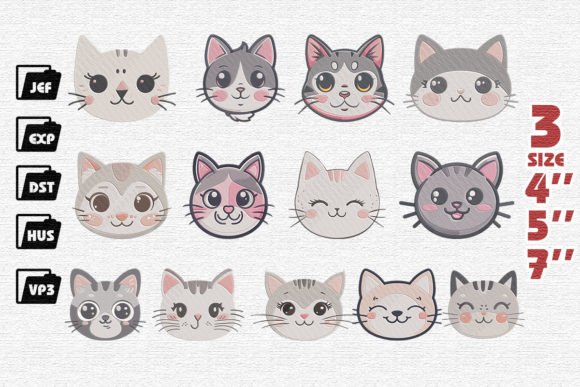
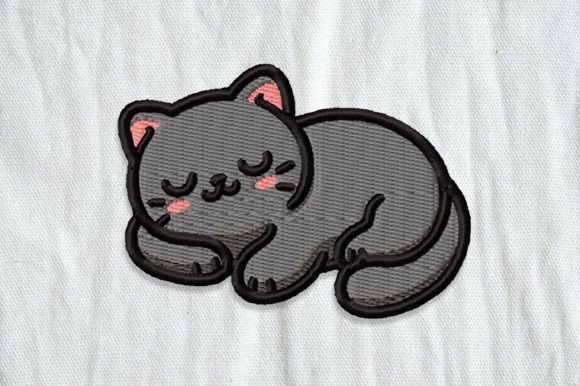
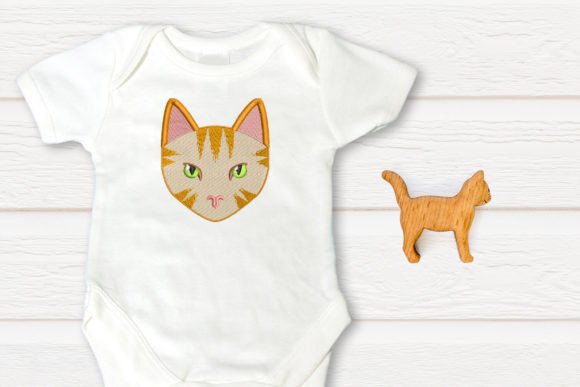
The moment I loaded the Realistic Cat Face Mini Embroidery file, I felt its charm immediately. It’s not cartoonish or overly stylized—it captures subtle feline expression: soft brow contours, gentle nose shading, and eyes that hold quiet personality. The optional stripes add versatility without compromising realism. Whether stitched in charcoal gray on ivory linen or deep black on cream cotton, it reads as handmade, not mass-produced. It leans classic with a modern whisper—timeless enough for nursery decor, playful enough for a custom tote, and elegant enough for a wedding guest book cover.
Where This Design Truly Shines
Realistic Cat Face Mini Embroidery excels where emotional resonance meets practical scale:
- Baby embroidery: Perfect for onesies, burp cloths, or heirloom blankets—small enough to avoid overwhelming delicate fabrics, detailed enough to feel special.
- Wedding gift: Stitched on a linen napkin set or embroidered towel for the couple’s “cat corner” at home adds warmth and personalization without being cutesy.
- Nursery decor: Works beautifully on wall hangings, pillow covers, or quilt blocks—especially when paired with neutral thread colors and natural fiber fabrics.
- Small shop product: A standout for craft fairs or boutique displays. Customers instantly recognize the authenticity—and that builds trust before they even ask about customization.
- Etsy seller asset: Pair it with a printable mockup showing variations (stripes on/off, black vs. ginger thread) to boost conversion. Shoppers love visualizing how it’ll look on their finished product.
Smart Placement Matters—Here’s Where to Pause
This design is versatile—but not universal. As a professional embroiderer, I always test before committing to customer orders. Here’s where Realistic Cat Face Mini Embroidery needs extra attention:
- Stretchy baby clothes: Avoid tight-knit cotton blends unless stabilized heavily—the facial details (especially around the eyes and whiskers) can distort during hooping or wear.
- Textured fabric: Heavy terry cloth or bouclé may mute fine shading. Test on scrap first; consider slightly higher stitch density or matte thread for clarity.
- Dark fabric: The design relies on tonal variation. On navy or charcoal, use high-contrast thread (e.g., ecru or light gray) and verify visibility in your digital embroidery file preview.
- Frequent-wash items: Towels and aprons need secure underlay and quality stabilizer. Check that the nose and eye highlights hold up after three wash/dry cycles in your test.
- Curved surfaces: Not ideal for mugs or rounded tote handles—stick to flat, stable substrates like pillow covers, blankets, or flat-front totes.
Why It Elevates Your Handmade Product—and Your Shop’s Reputation
Customers don’t just buy embroidery—they buy meaning. A realistic cat face signals care, observation, and affection. When someone chooses Realistic Cat Face Mini Embroidery for a baby blanket, they’re saying, “I see *this* cat—and I want that presence honored.” That emotional connection directly boosts perceived value. Photos of the finished product show texture, dimension, and intentionality—making your Etsy listing or boutique display feel premium, not generic.
For small business owners, this design also strengthens customer trust. Its realism implies technical skill—not just software skill, but fabric knowledge, thread selection instinct, and finishing finesse. When buyers see consistent, crisp results across your portfolio, they return for more custom embroidery, referrals increase, and word-of-mouth grows organically.
Practical Embroidery Notes You Can’t Skip
Before stitching your first customer order, run these checks:
- Test on scrap fabric matching your intended substrate—same weight, weave, and prewash status.
- Confirm thread color contrast by stitching a 1" swatch on both light and dark fabric. Whisker detail must remain legible.
- Review hoop size in your embroidery software. If it’s tight, adjust placement to avoid seam interference on pillow covers or blanket corners.
- Assess stitch density—too dense risks puckering on lightweight cotton; too sparse loses definition. Adjust if needed using your machine’s density slider.
- Use appropriate stabilizer: Tear-away for stable wovens, cut-away for knits, and water-soluble for towels or napkins where backing residue must vanish.
- Check small details post-stitch: Gently steam (no direct iron contact), then inspect eyes and nose highlights with magnification. Re-stitch any faint areas before packaging.
- Verify commercial licensing before selling finished products. Since the description mentions “Cat people know the assignment,” confirm with the designer or marketplace whether this digital embroidery file permits commercial embroidery use.
A Final Thought for Crafters and Sellers
Realistic Cat Face Mini Embroidery isn’t just another cat-themed file—it’s a quiet invitation to slow down, observe closely, and stitch with heart. Whether you’re embroidering a wedding gift for two rescue advocates, a personalized towel for a new cat parent, or a nursery pillow for a family welcoming their first kitten, this design carries weight. It feels handmade because it invites intention—not just speed or scale, but care in every loop and highlight. That’s what makes it a keeper in your digital embroidery file library, your Etsy shop, and your customers’ homes for years to come.